

Long before coffee became a global commodity, it was a local ritual in Yemen.
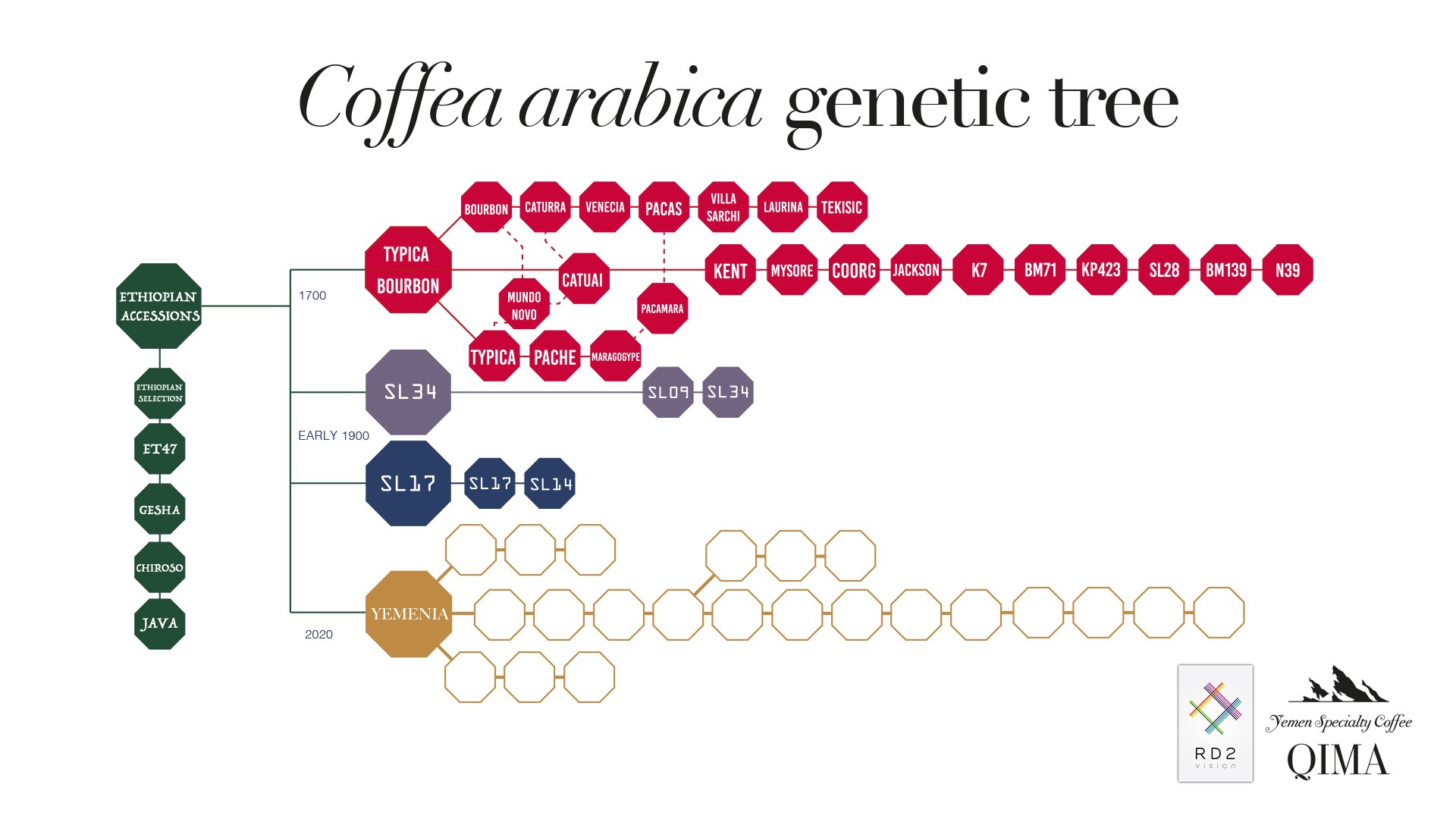
Here, coffee was not discovered—it was defined. Yemeni farmers were the first to cultivate coffee intentionally, the first to roast it, and the first to prepare it as a drink. From the mountain terraces of Yemen, coffee traveled through the port of Mokha and into the world, shaping the foundations of coffee culture centuries before plantations, grading systems, or global trade existed.
Over time, Yemen faded from the modern coffee narrative. Political instability, limited infrastructure, and the rise of high-volume producing countries pushed this origin to the margins—despite its unmatched historical significance. What remained was not scale, but character.
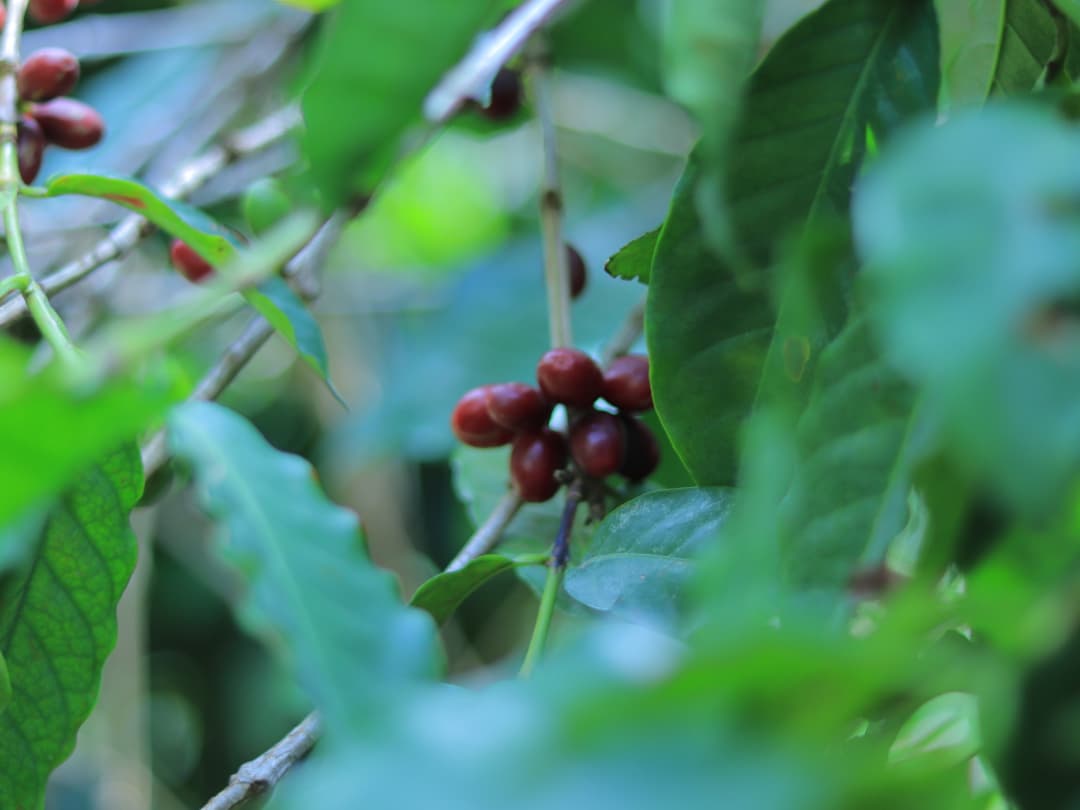
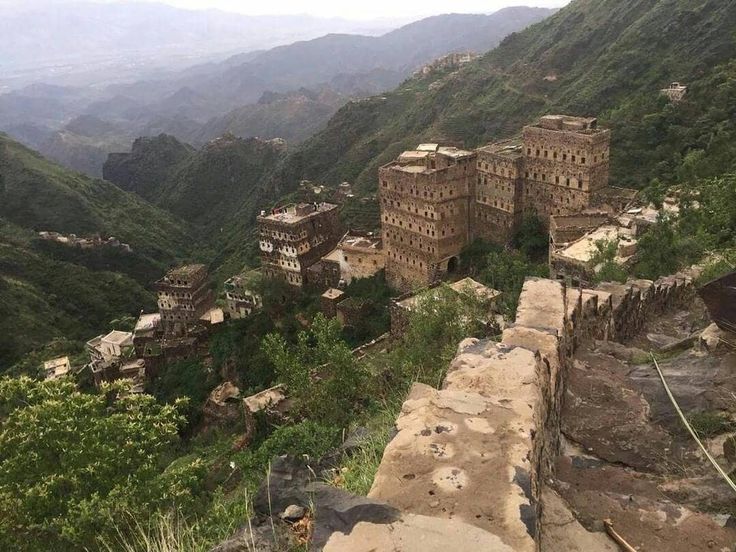
Yemeni coffee is grown under extreme conditions: high altitudes, dry climates, and rugged terrain where farming is done by hand, often on centuries-old terraces. These constraints naturally limit yields, but they also produce coffees of remarkable density, complexity, and depth—coffees that carry origin before process.
At SOVD, we operate at a different point in Yemen’s story. Through deep, on-the-ground relationships with farming communities in regions such as Haraz and Bani Matar, we can aggregate what is traditionally fragmented—without stripping it of identity. This allows us to supply Yemeni coffee consistently and at a meaningful scale, making one of the world’s rarest origins reliably available to the Saudi market and beyond.
Yemen is not a forgotten origin because it lacks quality.
It is forgotten because it never adapted to volume.
Until now.