Coffee arrived in Colombia in the early 18th century, introduced by Jesuit priests who encouraged cultivation as both a spiritual discipline and an economic activity. What began as scattered plantings across the Andes gradually evolved into one of the most organized coffee systems in the world — not through colonial plantations, but through thousands of smallholder farms spread across steep mountain terrain.
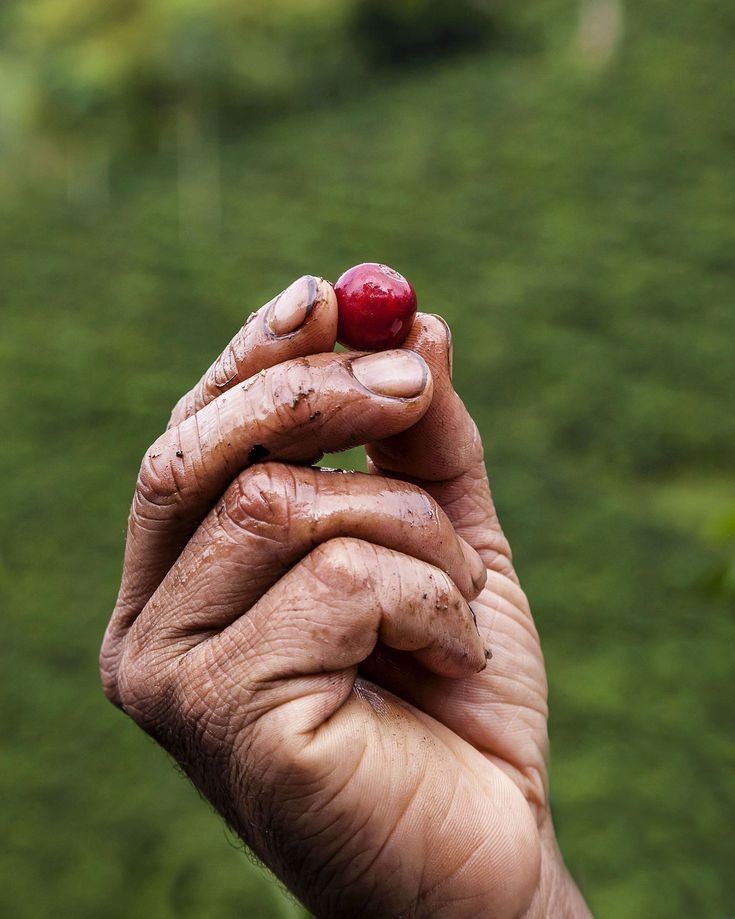
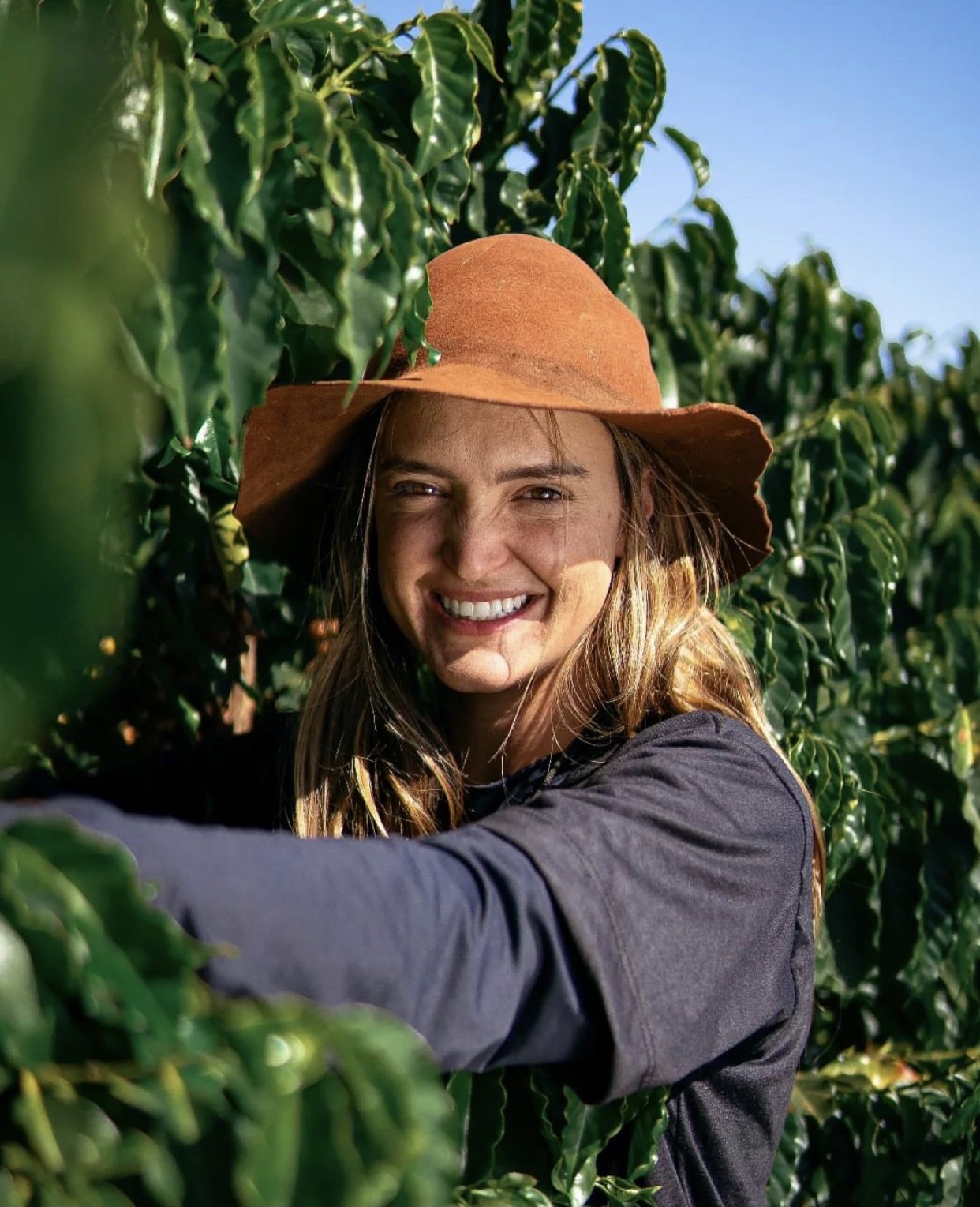
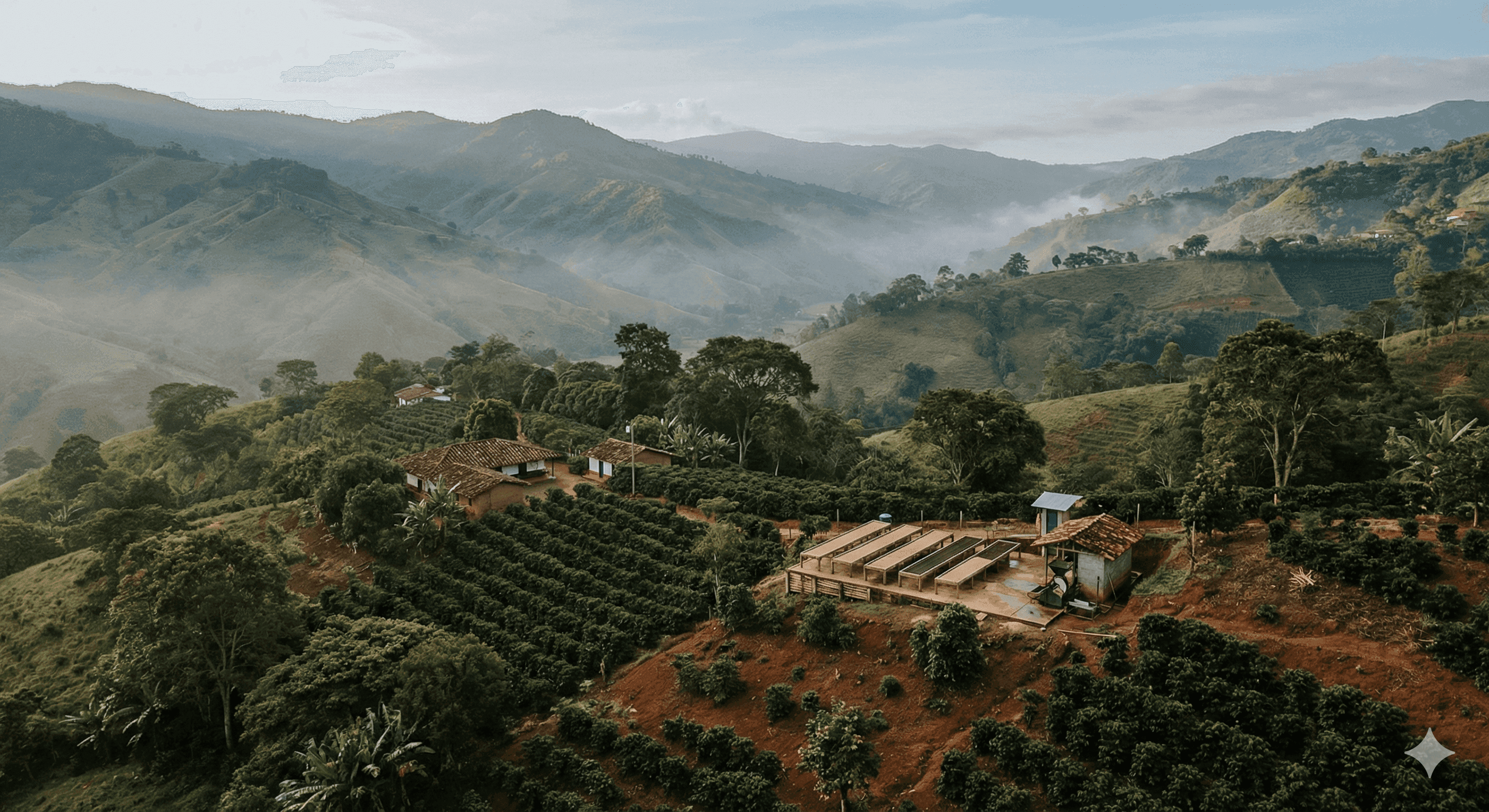
Unlike origins built on large estates, Colombian coffee is fundamentally a network of families. Today, the vast majority of farms are small plots, often less than a few hectares, worked by hand and passed down through generations. This structure limits industrial scale but preserves a level of care, selectivity, and regional identity that mechanized systems rarely achieve.
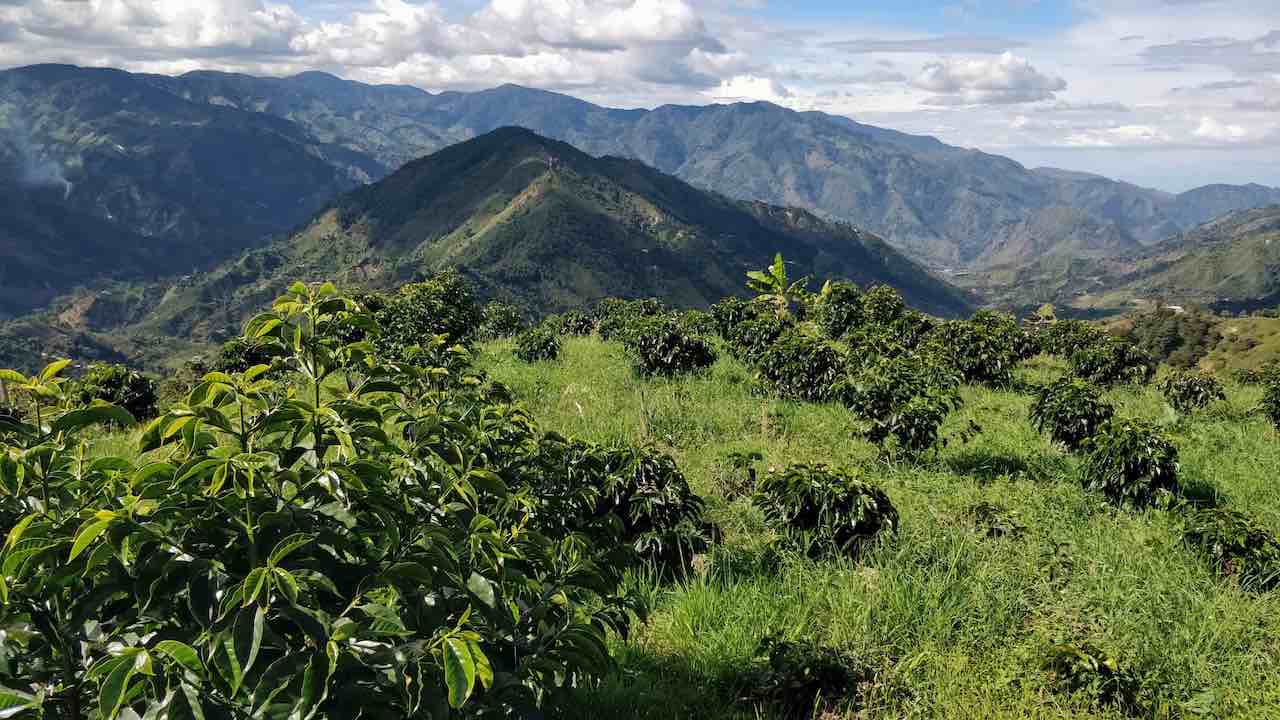
Colombia’s geography further shapes its coffee. Three branches of the Andes run through the country, creating a wide range of microclimates, elevations, and soil conditions. Combined with reliable rainfall patterns and the ability to harvest at different times of the year across regions, this diversity allows Colombia to produce fresh coffee almost continuously — a rare advantage in global supply.
Quality consistency, however, did not emerge by chance. In 1927, the National Federation of Coffee Growers of Colombia established a coordinated framework for research, quality control, logistics, and market representation. This institutional support helped standardize processing methods — particularly washed arabica — while investing in agronomy, disease resistance, and farmer stability. As a result, Colombian coffee became synonymous with reliability at scale: clean profiles, balanced structure, and dependable availability.
Today, Colombia occupies a unique position in the coffee world. It is neither the birthplace of coffee nor the rarest origin, but it is one of the few countries that has successfully aligned smallholder agriculture, scientific research, and export infrastructure into a cohesive system. For roasters, Colombian coffee often serves as both foundation and reference point — a supply that can anchor blends, support single-origin programs, and perform predictably across seasons.
Colombia is not defined by scarcity or novelty.
It is defined by the ability to deliver quality — repeatedly, and at scale.